

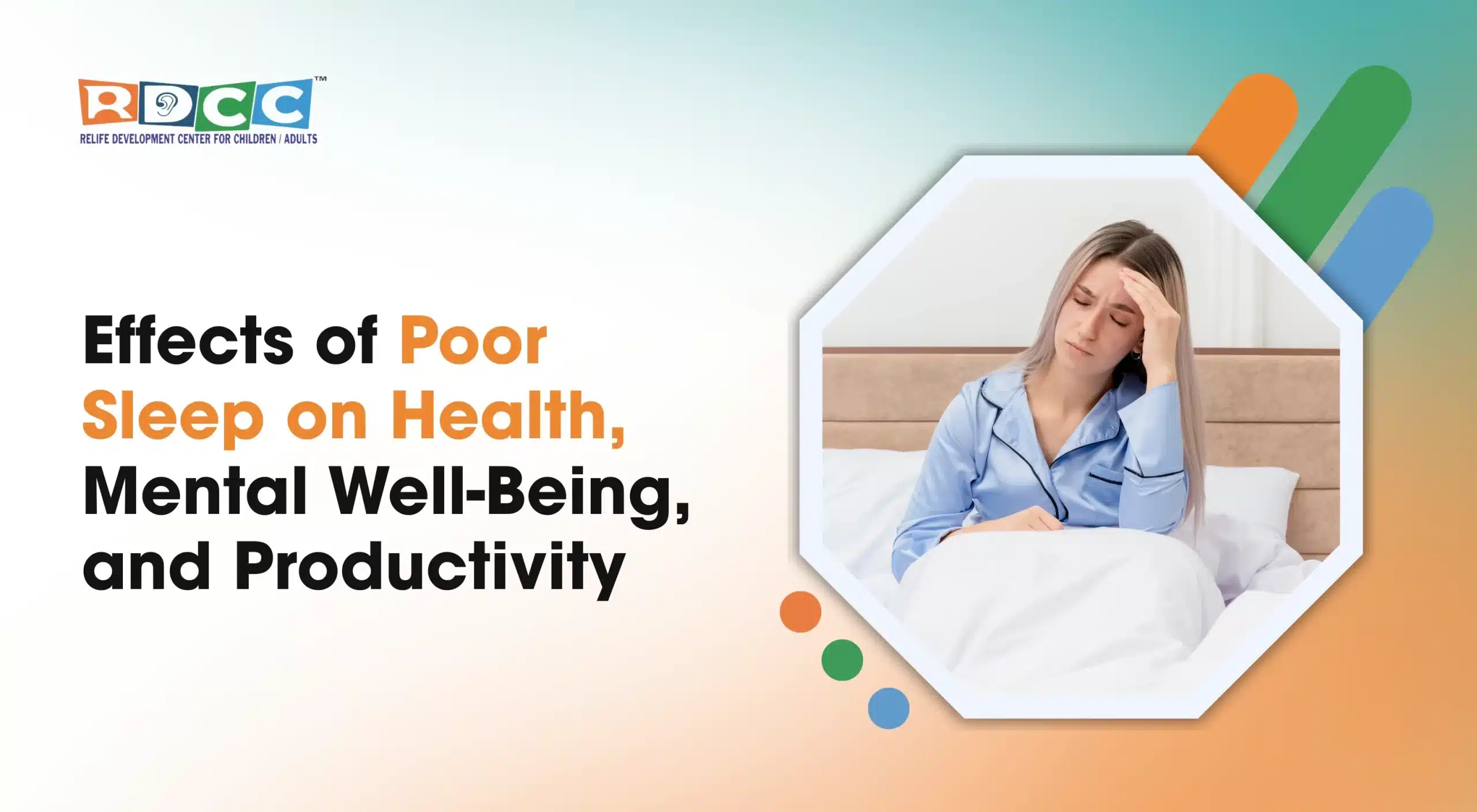
Sleep is one of the most important foundations of good health, yet it is often the most neglected. In today’s fast-paced world, students, professionals, and even children experience poor sleep quality due to stress, excessive screen time, irregular routines, and lifestyle imbalance.
The effects of poor sleep go far beyond feeling tired the next day. Chronic sleep deprivation affects physical health, emotional stability, cognitive performance, and overall productivity. Research consistently shows that sleep quality plays a critical role in brain function, immunity, hormonal balance, and emotional regulation. When sleep becomes disturbed, the entire system of the body and mind is affected.
Why Quality Sleep Is Essential for Overall Health
Quality sleep allows the body to repair tissues, regulate hormones, consolidate memory, and restore energy. During deep sleep cycles, the immune system strengthens, muscles recover, and the brain processes information learned during the day.
When sleep duration or quality is reduced, these restorative processes remain incomplete. Over time, chronic sleep problems weaken the body’s natural defense system and increase vulnerability to physical illness and psychological conditions.
The connection between sleep and health is scientifically well established. Individuals often underestimate how deeply sleep impacts daily functioning until symptoms begin interfering with work performance, academic achievement, or relationships.
Common Symptoms of Poor Sleep and Sleep Deprivation
The symptoms of sleep deprivation often develop gradually. Many people initially notice constant fatigue despite sleeping for several hours. Daytime sleepiness, frequent headaches, and low energy levels are common early warning signs.
Other symptoms of poor sleep include:
- Irritability and mood swings
- Increased anxiety and stress levels
- Difficulty concentrating
- Memory problems
- Reduced motivation
- Emotional reactivity
Sleep deprivation and mental health are closely connected. Students may struggle with academic performance, while working professionals often experience reduced efficiency and increased workplace errors. Over time, untreated sleep disturbance significantly lowers overall quality of life.
Statistics on Sleep Problems and Modern Lifestyle
Recent studies indicate that a large percentage of adults and adolescents sleep less than the recommended 7–9 hours per night. Poor sleep quality is strongly associated with high stress, excessive smartphone use, irregular bedtime routines, and limited physical activity.
Research also shows that individuals experiencing chronic sleep deprivation report:
- Decreased workplace productivity
- Reduced academic performance
- Higher emotional distress
- Increased burnout symptoms
These findings confirm that sleep disturbance is not an isolated issue but a growing public health concern affecting multiple age groups.
Physical Health Risks Linked to Chronic Sleep Deprivation
Chronic sleep deprivation significantly increases the risk of long-term health conditions. Poor sleep weakens immunity, making individuals more vulnerable to infections and slower recovery. Lack of sleep and physical health are closely linked to:
- High blood pressure
- Cardiovascular disease
- Weight gain and obesity
- Increased risk of diabetes
- Hormonal imbalance
Sleep plays a vital role in metabolic regulation and stress hormone control. When disrupted over time, these imbalances may contribute to chronic illness, reduced stamina, and long-term health complications.
The relationship between sleep and heart health, immunity, and metabolic function is strongly supported by scientific research.
How Poor Sleep Reduces Productivity and Cognitive Performance
Sleep directly affects cognitive functioning. Concentration, attention span, memory retention, creativity, and decision-making ability all depend on adequate rest. When sleep is compromised, productivity naturally declines.
Students with insufficient sleep often struggle with retaining information, completing assignments efficiently, and staying motivated. In professional environments, sleep deprivation can lead to slower reaction time, poor judgment, increased mistakes, and decreased overall performance.
Sleep and productivity are deeply connected. Over time, chronic fatigue may lead to workplace burnout, reduced job satisfaction, and stalled career growth.
Why You Should Seek Treatment for Sleep Problems
Many individuals normalize poor sleep, assuming it is temporary. However, untreated chronic sleep problems can lead to serious physical and psychological consequences.
Early treatment for sleep problems helps prevent long-term complications and improves overall well-being. Effective sleep treatment may include:
- Lifestyle modification
- Stress management techniques
- Cognitive Behavioral Therapy for Insomnia (CBT-I)
- Structured sleep hygiene interventions
- Addressing underlying anxiety or emotional distress
Seeking professional support improves not only sleep quality but also mental clarity, emotional stability, and daily functioning.
Improving Sleep Quality Through Simple Lifestyle Changes
Improving sleep hygiene is one of the most effective strategies for restoring healthy sleep patterns. Small, consistent adjustments can produce meaningful improvements.
Key sleep improvement strategies include:
- Maintaining a consistent sleep schedule
- Reducing screen exposure before bedtime
- Creating a calm, dark, and quiet sleep environment
- Limiting caffeine intake in the evening
- Engaging in regular physical activity
- Practicing relaxation techniques
However, if sleep problems persist despite lifestyle changes, professional consultation is strongly recommended.
Professional Support for Sleep and Mental Health
Poor sleep is a serious yet treatable condition. Ignoring it may lead to chronic illness, emotional imbalance, and long-term productivity loss. Improving sleep quality can positively transform physical health, mental well-being, relationships, and professional success.
At Relife Development Centre for Children and Adults, we provide evidence-based psychological therapy, sleep management interventions, stress reduction techniques, and lifestyle counseling tailored for children, adolescents, and adults.
If you or your loved ones are struggling with sleep problems, seeking professional guidance can make a meaningful difference. Taking care of your sleep is the first step toward a healthier, more balanced, and productive life.

RDCC Healthcare
Related Posts
The Difference Between Speech Therapy and Occupational Therapy
Speech therapy and occupational therapy are different but complementary to each other. They are designed…

Occupational Therapy Activities for ADHD Children Ages 4–7: A Parent’s Guide
Occupational therapy for Attention Deficit Hyperactivity Disorder (ADHD) children focuses on helping with their day-to-day…


