

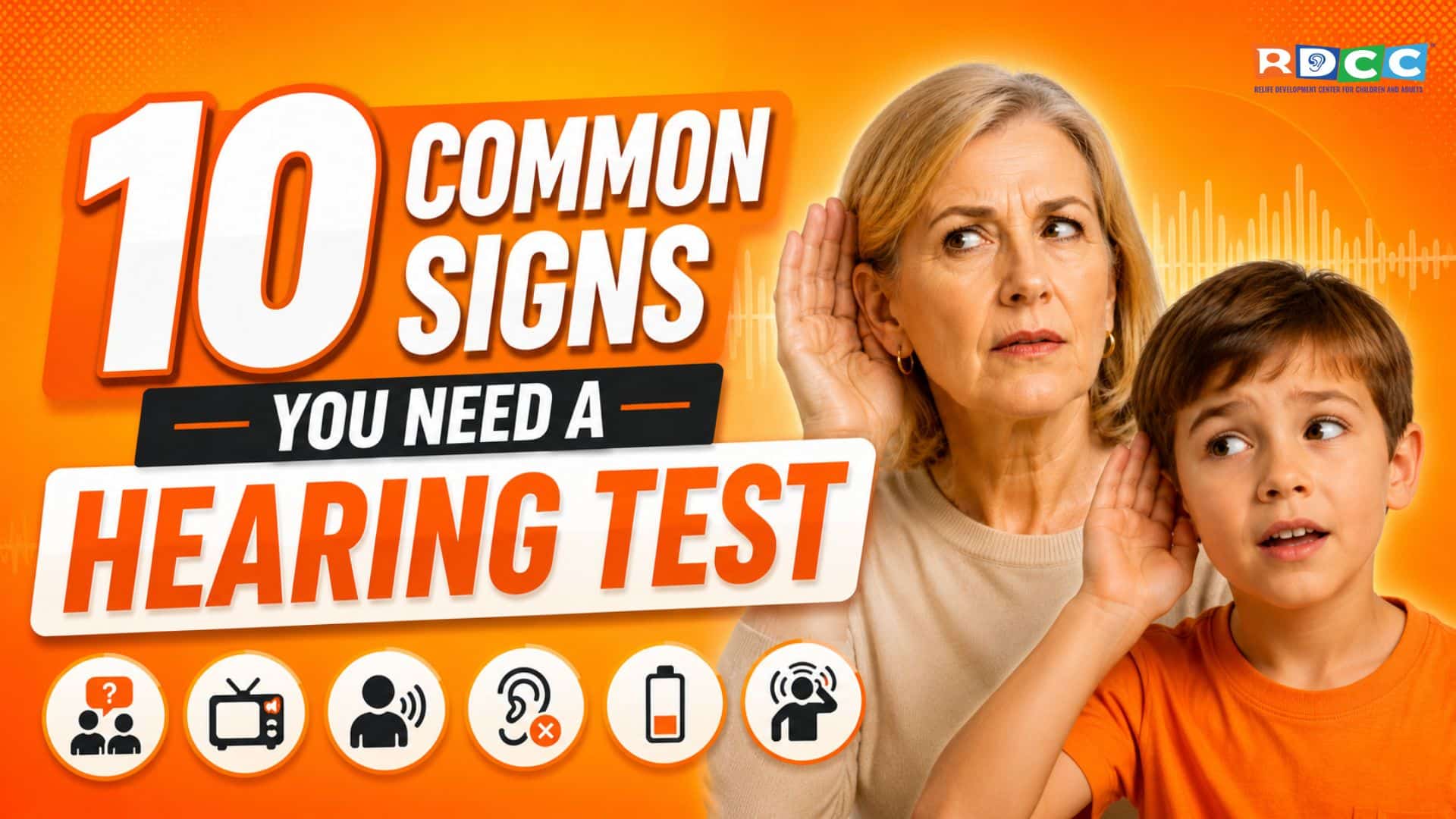
Hearing plays a vital role in our daily lives, helping us communicate, stay connected, and remain aware of our surroundings. However, hearing loss often develops gradually, making it difficult to notice the changes right away. Many people adapt to hearing difficulties without realizing that their hearing has declined.
Unfortunately, ignoring early signs of hearing loss can affect communication, relationships, work performance, and overall quality of life. The good news is that a professional hearing test can identify problems early and help you receive the right treatment or support.
In this guide, we’ll discuss 10 common signs you need a hearing test and explain why early detection is important for maintaining healthy hearing.

Why Hearing Tests Are Important
A hearing test is a simple, painless assessment that evaluates your ability to hear different sounds, pitches, and speech frequencies. It helps audiologists determine whether hearing loss is present and identify its severity.
Early hearing evaluations can:
- Detect hearing problems before they worsen
- Improve communication abilities
- Prevent social isolation
- Support better cognitive health
- Help determine if hearing aids or other treatments are needed
- Improve overall quality of life
Many people wait years before seeking help for hearing concerns, often missing valuable opportunities for early intervention.
Understanding Hearing Loss
Hearing loss can occur for various reasons, including:
- Age-related hearing decline
- Prolonged exposure to loud noise
- Ear infections
- Genetic factors
- Certain medications
- Earwax blockage
- Injury or trauma
Some forms of hearing loss develop slowly, while others may appear suddenly. Recognizing the warning signs is the first step toward protecting your hearing health.
10 Common Signs You Need a Hearing Test
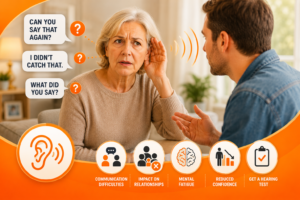
1. Frequently Asking People to Repeat Themselves
One of the most common indicators of hearing loss is regularly asking others to repeat what they have said.
You may find yourself saying:
- “Can you say that again?”
- “I didn’t catch that.”
- “What did you say?”
If this happens often in conversations, it may be time to schedule a hearing evaluation.
2. Difficulty Understanding Conversations in Noisy Places
Many people with hearing loss can hear sounds but struggle to understand speech, especially in busy environments.
You may experience difficulties in:
- Restaurants
- Shopping malls
- Family gatherings
- Office meetings
- Social events
Background noise can make conversations particularly challenging when hearing abilities begin to decline.
3. Turning Up the TV or Radio Volume
Do family members frequently tell you that the television volume is too loud?
Needing to increase the volume higher than others prefer is often an early sign of hearing difficulties. If subtitles have become necessary for understanding television programs, a hearing test may be beneficial.
4. Trouble Hearing on the Phone
Phone conversations can become difficult when hearing loss affects the ability to distinguish speech clearly.
You may notice:
- Difficulty understanding callers
- Frequently asking for repetition
- Misunderstanding information
- Avoiding phone conversations altogether
These challenges can indicate a need for professional hearing assessment.
5. Missing Everyday Sounds
Many individuals with hearing loss begin missing common environmental sounds.
Examples include:
- Doorbells
- Alarm clocks
- Phone notifications
- Birdsong
- Kitchen timers
- Running water
If sounds that were once easy to hear now seem faint or absent, it’s worth getting your hearing checked.
6. Feeling Tired After Conversations
Listening should not feel exhausting.
When hearing becomes more difficult, your brain must work harder to process sounds and understand speech. This extra effort can lead to:
- Mental fatigue
- Frustration
- Difficulty concentrating
- Reduced participation in conversations
If social interactions leave you feeling unusually tired, hearing difficulties may be contributing.
7. Ringing or Buzzing in Your Ears (Tinnitus)
Tinnitus refers to sounds heard in the ears without an external source.
People often describe it as:
- Ringing
- Buzzing
- Hissing
- Whistling
- Clicking
While tinnitus itself is not always a sign of hearing loss, it commonly occurs alongside hearing problems and should be evaluated by a hearing professional.
8. Difficulty Following Group Conversations
Group discussions can become challenging when hearing loss affects speech clarity.
You may find yourself:
- Losing track of conversations
- Missing important details
- Struggling to identify who is speaking
- Withdrawing from social situations
If group settings have become frustrating, a hearing assessment may reveal the underlying cause.
9. Family and Friends Notice Changes Before You Do
In many cases, loved ones notice hearing difficulties before the individual experiencing them.
Family members may comment that you:
- Mishear words
- Respond inappropriately
- Increase the TV volume
- Frequently ask for repetition
- Seem less engaged in conversations
These observations should not be ignored, as they may indicate gradual hearing decline.
10. You Are Over the Age of 50
Age-related hearing loss is one of the most common causes of hearing impairment.
As we age, the delicate structures within the inner ear naturally change, making hearing more difficult over time.
Even if you haven’t noticed significant symptoms, regular hearing tests after age 50 can help identify problems early and support long-term hearing health.
When Should You Schedule a Hearing Test?
You should consider booking a hearing test if:
- You experience any of the signs mentioned above
- You work in noisy environments
- You have a family history of hearing loss
- You have experienced ear infections or ear injuries
- You notice sudden changes in hearing
- You have persistent tinnitus
Early testing can help identify hearing issues before they significantly impact your daily life.
What Happens During a Hearing Test?
Many people avoid hearing tests because they are unsure what to expect. Fortunately, the process is simple, comfortable, and painless.
A hearing evaluation may include:

Medical and Hearing History Review
The audiologist will discuss your symptoms, lifestyle, and hearing concerns.
Ear Examination
Your ears may be examined to check for earwax buildup, infection, or other physical issues.
Pure Tone Audiometry
You will listen to sounds at different frequencies and volumes through headphones.
Speech Testing
This evaluates how well you understand spoken words and conversations.
Results and Recommendations
The audiologist will explain your results and discuss any treatment options if hearing loss is detected.
Benefits of Early Hearing Detection
Identifying hearing problems early offers numerous advantages.
Better Communication
Early intervention helps improve understanding and participation in conversations.
Improved Relationships
Clear communication strengthens connections with family, friends, and colleagues.
Enhanced Mental Well-Being
Addressing hearing loss can reduce frustration, stress, and social withdrawal.
Better Workplace Performance
Improved hearing supports productivity, confidence, and communication at work.
Access to Effective Treatment
Modern hearing aids and hearing solutions can significantly improve hearing abilities and quality of life.
How RDCC Healthcare Can Help
At RDCC Healthcare, we understand the importance of healthy hearing for people of all ages. Our experienced hearing care professionals provide comprehensive hearing assessments designed to identify hearing concerns accurately and efficiently.
Our services include:
- Professional hearing evaluations
- Audiometry testing
- Hearing aid consultations
- Hearing aid trials
- Hearing aid repairs
- Ongoing hearing care support
We are committed to helping individuals and families make informed decisions about their hearing health through personalized care and expert guidance.
Conclusion
Hearing loss often develops gradually, making it easy to overlook the early warning signs. However, recognizing these symptoms and seeking timely evaluation can make a significant difference in your hearing health and overall well-being.
If you frequently ask people to repeat themselves, struggle in noisy environments, experience tinnitus, or notice changes in your hearing abilities, scheduling a professional hearing test is a smart next step.
Early detection allows for better treatment options, improved communication, and a higher quality of life. If you’re experiencing any of these signs, consider booking a hearing assessment and taking proactive steps to protect your hearing health.
Frequently Asked Questions
1. How do I know if I need a hearing test?
If you frequently ask people to repeat themselves, struggle in noisy environments, increase the TV volume, or experience ringing in your ears, you may benefit from a professional hearing evaluation.
2. Are hearing tests painful?
No. Hearing tests are completely painless and non-invasive. Most assessments simply involve listening to sounds through headphones and responding when you hear them.
3. How often should adults have their hearing checked?
Adults should consider routine hearing evaluations every few years, especially after age 50 or if they are regularly exposed to loud noise.
4. Can hearing loss happen at a young age?
Yes. Hearing loss can affect people of all ages due to genetics, noise exposure, infections, injuries, or certain medical conditions.
5. What is tinnitus?
Tinnitus is the perception of ringing, buzzing, or other sounds in the ears when no external sound is present. It often occurs alongside hearing loss and should be professionally evaluated.
6. How long does a hearing test take?
Most hearing assessments take between 30 and 60 minutes, depending on the tests required and your specific hearing concerns.
7. Can hearing loss be treated?
Many types of hearing loss can be effectively managed through hearing aids, medical treatment, hearing rehabilitation, or other hearing care solutions recommended by an audiologist.
8. Should I get a hearing test even if my symptoms seem mild?
Yes. Even mild hearing difficulties can affect communication and quality of life. Early testing helps identify problems sooner and allows for more effective intervention when needed.

Related Posts
Why Choose the Best Audiologist in Vadodara for Hearing Loss Treatment Options?
Hearing plays an important role in how we communicate, learn, work, and stay connected with…
Pure Tone Audiometry: Everything You Need to Know
Pure Tone Audiometry: Everything You Need to Know Hearing is one of our most important…






